
Introduction
DTG stands for direct-to-garment printing, and it’s a popular option for many business owners. The technology is widely used for T-shirts, but it can also be used to print on hats, bags, mugs and other items. DTG uses inkjet technology to directly print onto clothing without the need for screens or other equipment. This makes DTG a faster and cheaper option than screen printing — though there are some limitations you should know about before deciding whether DTG is right for your business.
DTG Printing vs Screen printing
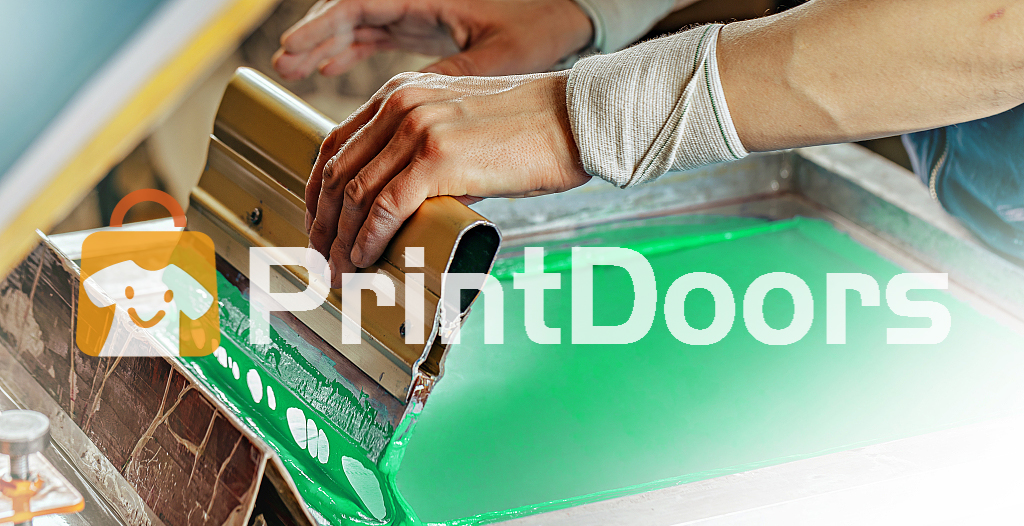
Screen printing is a traditional printing method, which means that the ink is transferred to the garment by pressing it against a screen with a squeegee. This process allows you to print multi-color designs and high quality prints on various types of garments. Screen printing is best suited for large runs where you want to create multiple colors or detailed prints on your shirts.
Screen printing is also great if you want to print more than one color onto your shirt, but don’t have access to DTG equipment (see below). For example: If I wanted red lettering on my white t-shirt with blue sleeves–I could easily do this using screen printing!
DTG Printing
DTG printing is a digital printing process that uses inkjet technology to print on a variety of materials. It’s similar to screen printing in that it uses images created on a computer, but unlike screen printing, DTG doesn’t require screens or stencils. Instead, each color is printed individually by piecing together several layers of thin film (similar to the way an inkjet printer works) and applying them directly to your garment or product. The result: beautiful custom designs!
DTG can be used on more than just T-shirts–you can create DTG apparel with any design you want using this versatile process! Because there are no limitations when it comes to what you can print on your garments (no matter what their size), this option makes sense if you need something smaller than what traditional screen printers offer – like phone cases or hats for example – or if you’re looking for something quick turnaround time without sacrificing quality.
DTG printing works best on 100% cotton, but cotton blends are also suitable. The main advantage of DTG is that it’s easy to print one-offs because there’s almost no setup time. Say you have an online store connected with a third-party DTG print provider such as PrintDoors. Once your customer places an order for a single t-shirt on your store, PrintDoors automatically receives the order, prints your design on the t-shirt, and sends it directly to your customer under your label—all without any upfront investments.

Screen Printing
Screen printing is a manual printing process that uses a mesh screen to print the design. A squeegee then transfers the ink to your shirt. Screen printing can be used for short runs and is an affordable option if you need only a few shirts made at once.
Summary – DTG vs Screen Printing
DTG printing is a great option for small businesses.
Screen printing is better for large orders.
DTG printing is best for small orders.
If you’re interested in learning more about print on demand, screen printing, DTG and other types of commercial printing services for your business, give us a call! We’ll be happy to answer all of your questions and help you find the best solution for your needs.
Conclusion
We hope this article has been helpful in explaining the difference between DTG and screen printing. If you have any questions about which kind of printing is best for your business, give us a call! We can help with everything from choosing a printer to designing the perfect shirt for your team or organization.